A COLLECTIVE EFFORT FOR HUMAN DEVELOPMENT
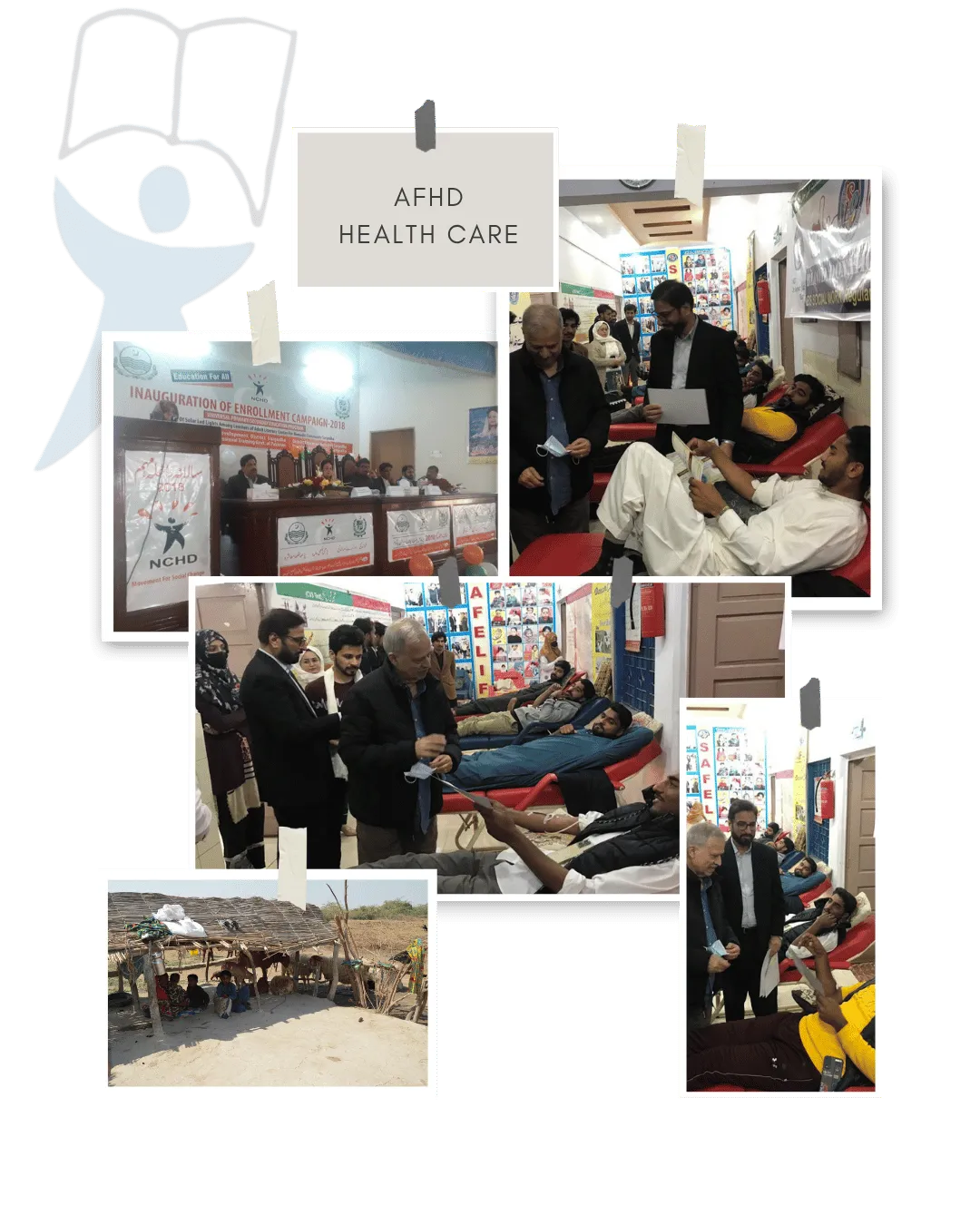
AFHD proudly acknowledges the collaborative spirit demonstrated at the Safe Life Thalassaemia Center in Sargodha, Punjab. The event brought together distinguished leaders and organizations committed to health, education, and social empowerment. Representatives from the AFHD, Pakistan Human Development Fund (PHDF), National Commission for Human Development (NCHD), Safe Life Organization, and the University of Sargodha joined hands to support patients battling Thalassaemia.
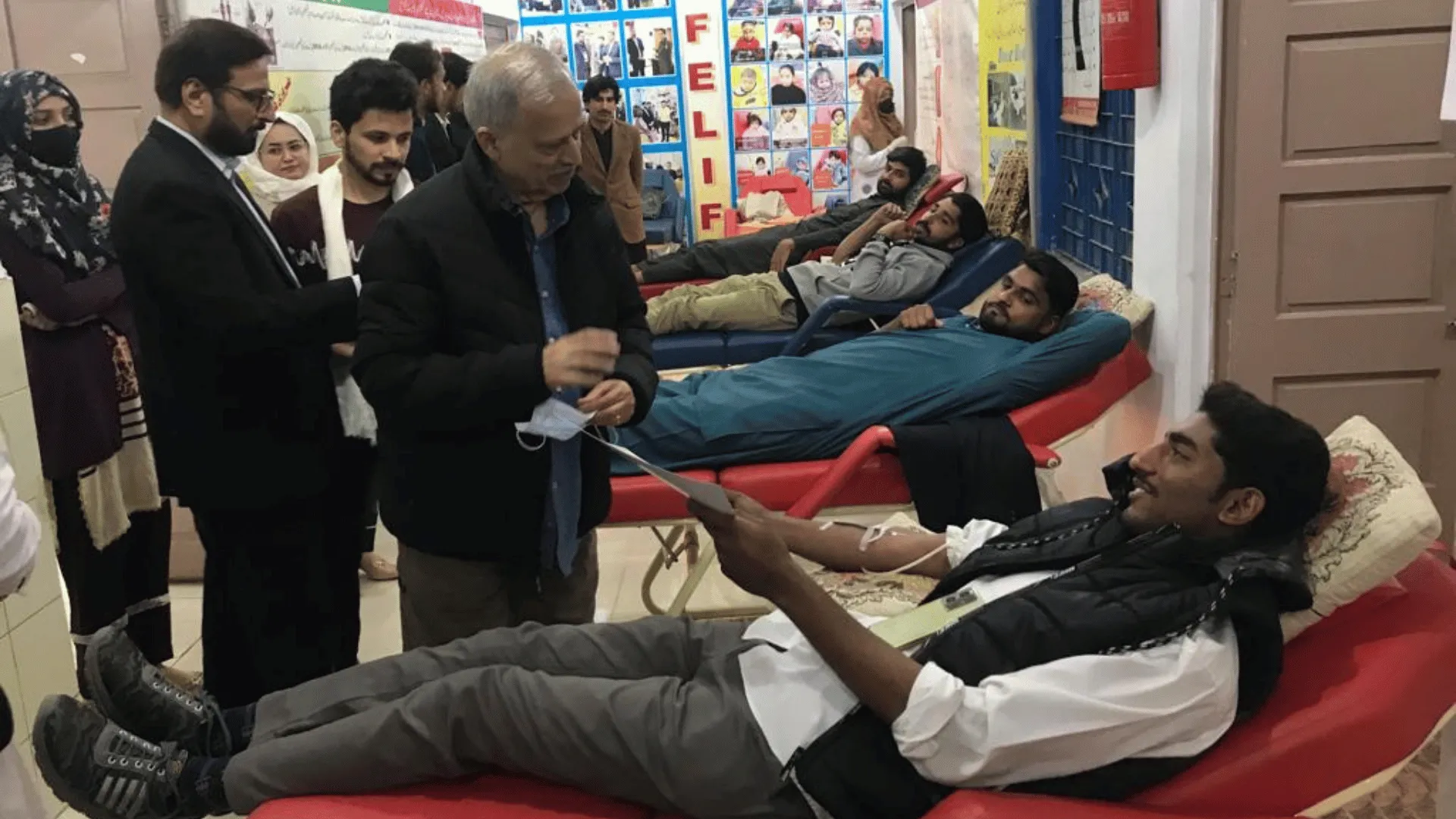
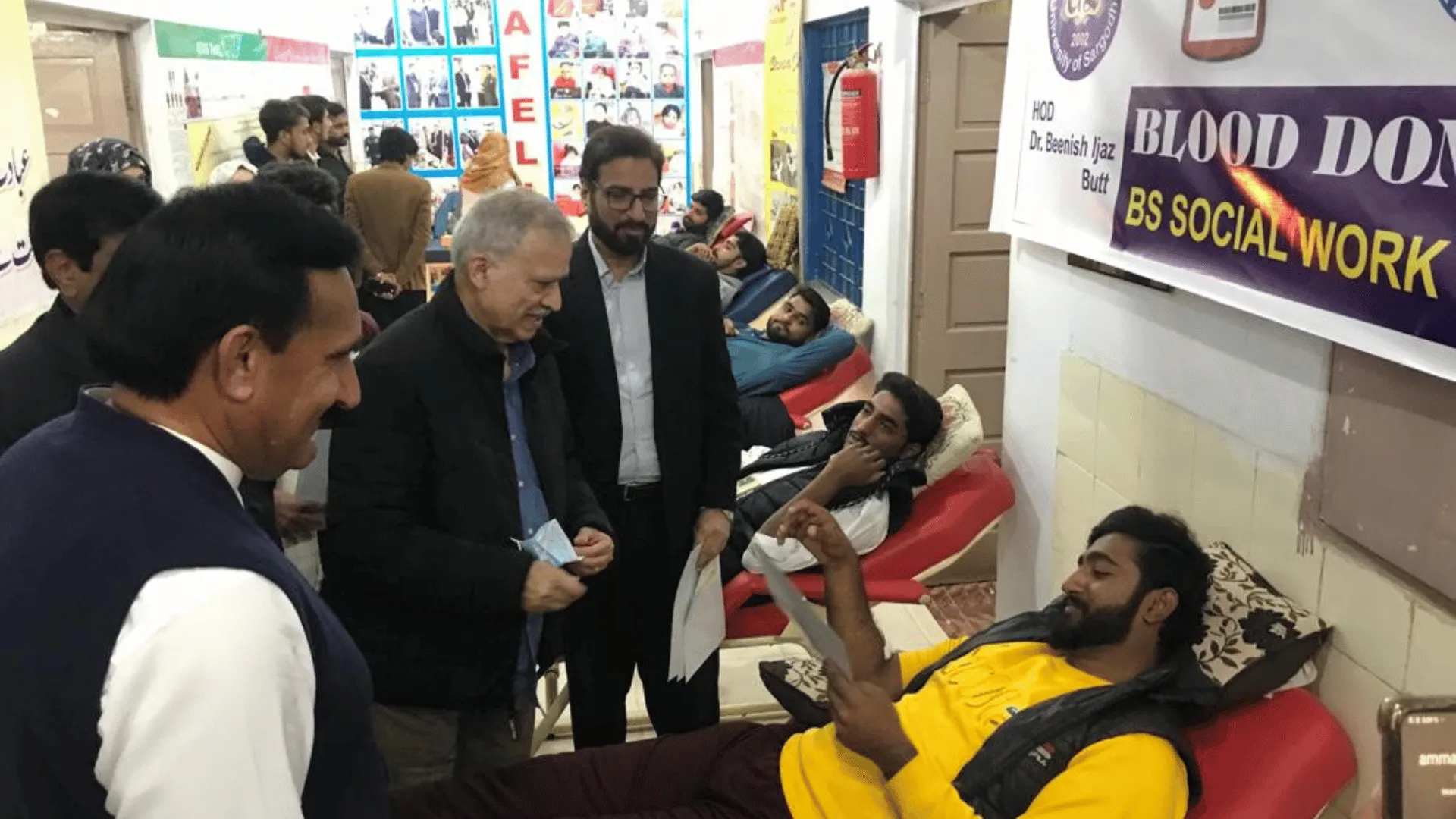
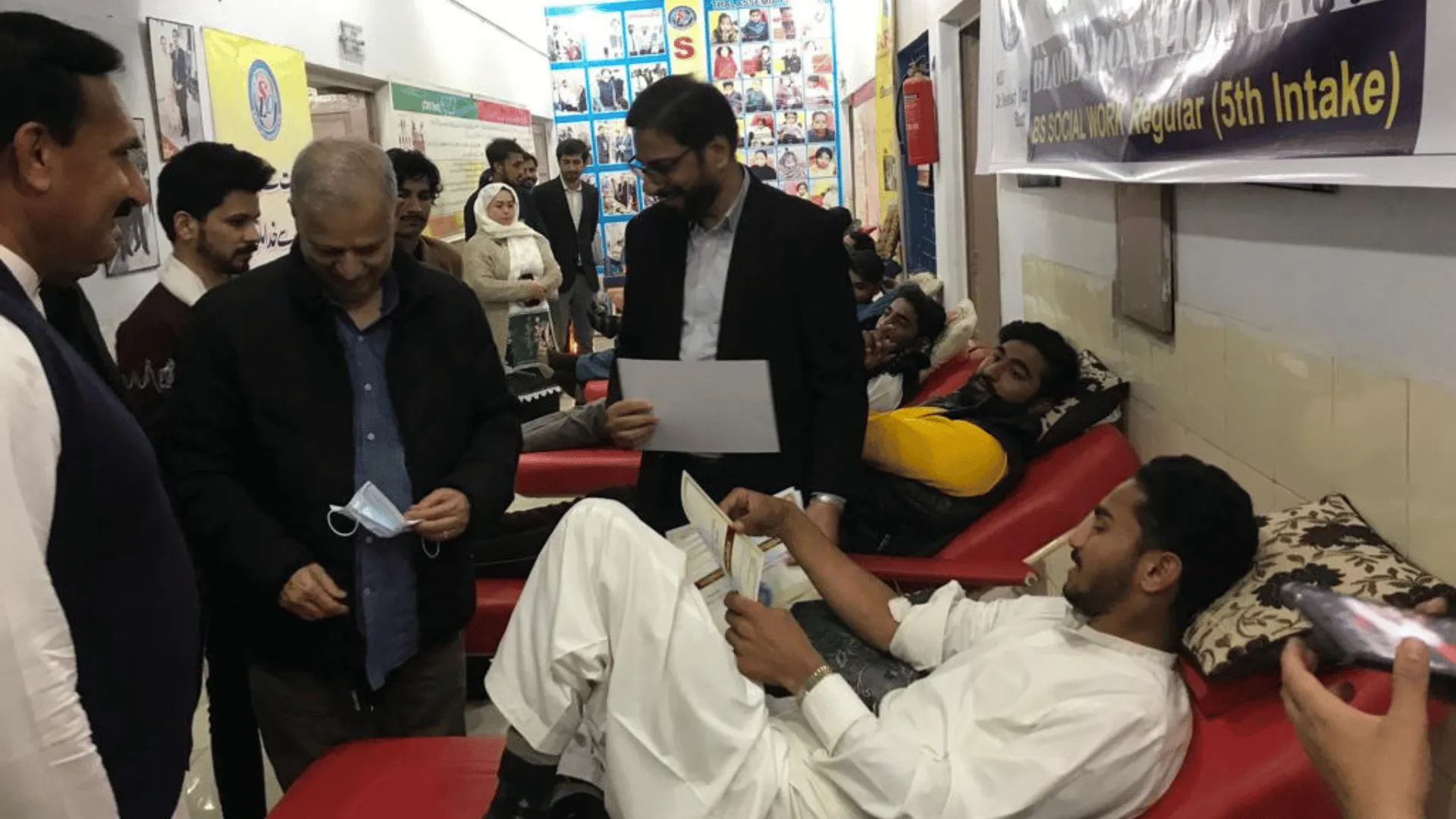
One of the most inspiring aspects of the day was the participation of 25 students from the University of Sargodha’s Department of Social Work. Their voluntary blood donations provided critical support to Thalassaemia patients, who rely on regular transfusions for survival. This act of compassion reflects the power of youth engagement in addressing pressing health challenges.
During the visit, Mr. Tanveer Ahmad Sulehry of Safe Life Sargodha briefed guests on the realities of Thalassaemia. He emphasized that while the disease is preventable, lack of awareness and timely action can lead to its spread. With over 1,000 patients currently in Sargodha alone, preventive measures and community education are essential to reduce future cases.
AFHD’s Commitment, Recognition and Appreciation
Mr. Pervaiz Lodhie, Founder Director of PHDF and Chairman of Lodhie Foundation and AFHD, commended the dedication of the Safe Life team and the generosity of the student volunteers. He highlighted the importance of combining medical services with community-driven initiatives to create sustainable impact. In recognition of his leadership and support, Safe Life Organization presented a shield to Mr. Lodhie during the visit.
At AFHD, we believe that health initiatives like these are integral to human development. Addressing diseases such as Thalassaemia requires not only medical infrastructure but also awareness, education, and active participation from communities. The partnership between Safe Life, NCHD, and educational institutions demonstrates how collective action can bring hope and healing to vulnerable populations.